Hospital and aged-care cleaning contracts in Australia
Acute wards and residential aged care are different jobs. Outbreaks, screening and the strengthened Quality Standards decide whether a commercial cleaner belongs on the site.
Editorial desk · 5 March 2025 · Updated 1 February 2026
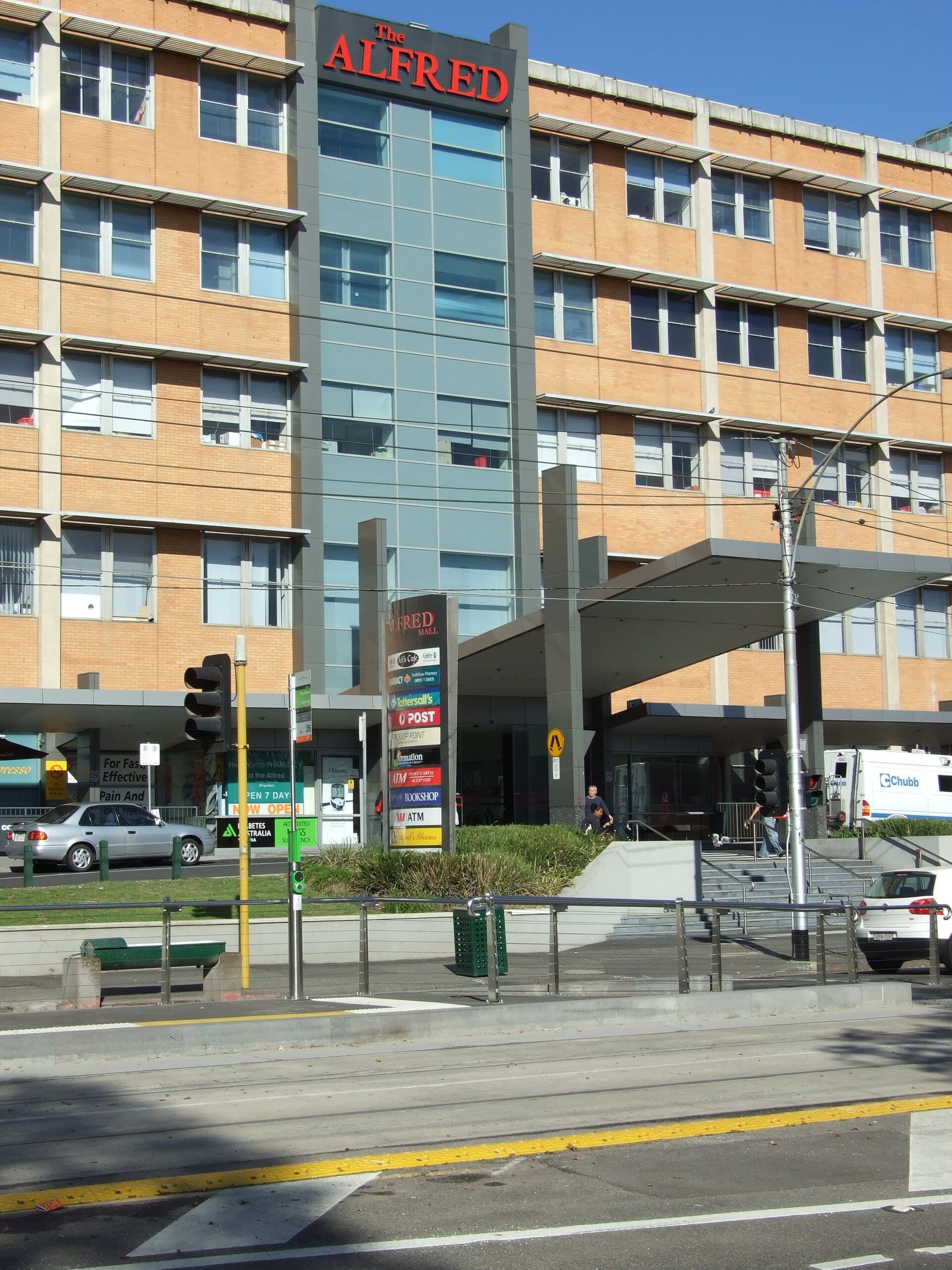
A commercial cleaner who has run office towers can lose a hospital contract in a month without understanding why. The floors look familiar. The specification does not. Acute care and residential aged care are both "health-adjacent" in a tender advertisement. On the ground they are different clients, different regulators, and different ways to get stood down at the front door.
This briefing is for contractors deciding whether to bid, and for those already on a site who are still pricing it like a night office run. It is not clinical advice and it is not a substitute for the infection-prevention procedure the facility owns.
Acute care is not residential aged care
A public hospital environmental-services contract sits next to an infection-prevention unit, a loading dock that also handles clinical waste, and an accreditation cycle that can close a ward conversation in an afternoon. The Australian Commission on Safety and Quality in Health Care sets the national infection-prevention conversation; state clinical excellence bodies — New South Wales' Clinical Excellence Commission is the one most cleaners hear named — publish environmental-cleaning resources that hospital staff will wave at you. Your mop is on their audit.
Work is zoned. A public corridor is not a shared bathroom, which is not an isolation room, which is not a theatre precinct you may never enter. Colour-coding of cloths and mop heads is not a branding exercise. It is how a facility shows it is not wiping a toilet and a meal table with the same textile. If your commercial method is "one green cloth for everything wet", stop at the tender briefing. Microfibre and colour-coding is the method briefing; infection control after COVID is the habit that hospitals now treat as ordinary.
Residential aged care is a home that is also a regulated service. People live in the rooms you clean. Belongings are not clutter. A trolley in a hallway is a falls risk and a dignity problem. The client is a registered provider under the Aged Care Act 2024, watched by the Aged Care Quality and Safety Commission. You will meet families, not only a facilities manager. You will also meet gastro.
Do not staff the two from the same casual pool without looking at screening, immunisation and the roster. A cleaner who is competent in a CBD tenancy can still fail a transmission-based precautions drill. A cleaner who is careful in a nursing home can still be too slow for a same-day discharge bed in a surgical ward. Price the labour you will actually need, using the method in pricing a square-metre job, not a blended "healthcare" rate.
Private hospitals and day surgeries sit between the two: shorter stays, high turnover of beds and toilets, and brand or insurer expectations that can be fussier than a public spec. Read the accreditation they are under before you assume a public-hospital procedure will transfer.
The strengthened Aged Care Quality Standards
From 1 November 2025 the strengthened Aged Care Quality Standards apply with the new Act. Standard 4 is the one that puts cleaning on the page. Outcome 4.1b, for services delivered other than in a person's home, requires a service environment that is routinely cleaned and well maintained, safe, welcoming, comfortable and fit for purpose. Equipment used in care must be safe, clean and well maintained. The Commission's own guidance tells providers to clean visibly dirty or soiled areas immediately, and to increase cleaning of high-touch surfaces during outbreaks.
Outcome 4.2 requires an infection-prevention and control system. That system must describe standard and transmission-based precautions, including cleaning practices, hand hygiene, respiratory hygiene, cough etiquette and waste. It must identify an IPC lead, put PPE in reach, and include extra precautions for outbreaks and novel viruses. The registered provider owns this. The cleaning contractor lives inside it.
If you hold an aged-care contract, you are part of someone else's evidence pack. That means documented schedules, product lists that match the facility's approved chemicals, training records, and a way to show that a room was cleaned after a discharge or a bout of vomiting — not a supervisor's memory. When the Commission visits, they will not be interested in your van livery.
Home-care packages and Commonwealth Home Support are a different product again. Outcome 4.1a is about environmental risk in someone else's house, not a full domestic clean unless the care plan says so. Do not bid "aged care" as a single line item.
Outbreaks are a variation you should have already priced
Gastroenteritis, influenza and COVID-19 still close wings and empty staff rooms. The extra work is not theoretical. High-touch frequencies go up. Transmission-based precautions change PPE and the order of rooms. A terminal clean after a discharge or a death is a defined job, not a quicker version of the daily. Waste streams change. So does access: a wing on outbreak restrictions is a wing your casuals may refuse, or may be barred from if they also work in another facility.
Write the outbreak mechanism into the contract before the first case. Who authorises extra hours. What the hourly rate is, including Award penalties if the work lands on a weekend. Who supplies PPE when the facility runs out. How you document the clean so the IPC lead can show it. A contractor who "helps out" on a handshake during a gastro outbreak and invoices in six weeks will meet the cash-flow problem and a disputed variation at the same time.
Immunisation and exclusion policies are operational, not personal. Facilities will ask about influenza vaccination, and about what happens if a cleaner has been unwell or exposed. You need a roster that can lose two people on a Monday without leaving a dementia unit without amenities.
Norovirus on a carpet is a different method to norovirus on vinyl. If your only response is a domestic extractor and hope, you are not in this sector yet.
Police checks, worker screening and the front-door test
A national police check is the baseline conversation. It is not the whole conversation.
Aged-care and NDIS settings have worker-screening regimes that are more than a statutory declaration. Requirements have been moving as the new aged-care law beds in; read the current Commission and NDIS Commission instructions, not last year's tender schedule. Hospitals add their own vendor-onboarding: police checks, sometimes working-with-children checks if the campus includes paediatrics or is shared with a school clinic, immunisation evidence, and a local induction that can take longer than the first shift you priced.
Diary expiries. An expired check is a person you cannot legally put on the roster, which is a supervision problem as soon as you have more than a handful of sites. Store the records as if a privacy regulator will ask for them, because one will if you lose a USB in a food court.
Do not send a new starter to a ward to "walk around with Maria" before the facility has cleared them. That is how you lose the contract and, in the worst case, become part of a reportable incident.
ISO, accreditation and the audit you are not running
Hospitals chase accreditation against national safety and quality standards. Their environmental cleaning will be sampled. Aged-care providers are assessed against the Quality Standards. Some facilities also hold ISO 9001, ISO 14001 or ISO 45001, or a healthcare-specific environmental standard they will name in the tender. ISO 14644 appears if there is a cleanroom or pharmacy compounding; that is a specialist job, not a mop upgrade.
Your job is to give them evidence that matches their system: scheduled cleans, release of a room after a terminal clean, chemical registers, incident reports, and training against their procedure. Bringing your own glossy "ISO-aligned" folder that does not match the ward's colour code is noise.
If a tender asks for a certified quality system, decide whether you have one or whether you are paying a consultant for a certificate the site will never use. A small contractor can still win a wing or a residential site on competence and records. Pretending to be a multinational IMS is how you fail the first surveillance visit.
Pricing and rostering this work
Healthcare hours are not a night-only product. Discharge cleans happen when the bed is empty. Aged-care dining rooms need to be done around meals. Amenities in a high-care unit do not wait for a 9pm start. That means broken shifts, weekend penalties and a part-time pattern you can defend under the Cleaning Services Award — or a different award if the cleaners are employed by the hospital itself. Contract cleaners should not copy an in-house rate and assume coverage.
Consumables and clinical waste are usually the facility's, but you will still handle general waste, soiled linen bags, and the odd sharps incident that was not supposed to be in a cubicle. Sharps and clinical waste is not an extras menu. Needlestick procedures, hepatitis B vaccination, and a relationship with a GP or clinic for exposure are WHS, not extras. Chemical safety and SDS still apply: a hospital disinfectant with a stated contact time is not a squirt-and-wipe.
Supervision has to be visible. A working supervisor who can talk to an IPC nurse without ringing the owner is the hire described in growing from two vans. Night-only absentee ownership does not survive a coronial or a Commission visit.
Walk away from a specification that wants theatre-grade outcomes at office-grade hours. Walk away if the provider will not share the outbreak procedure or the approved chemical list. And walk away if the only way to win is to ignore screening costs. Those costs are the job.
Related sector briefings sit alongside this one: schools and universities for another regulated campus, and food processing for another place where a swab can end a shift. The wider set is in sector playbooks.
Questions contractors ask
- Can I bid a hospital on the same square-metre rate I use for offices?
- No. Isolation rooms, amenities, terminal cleans and after-hours access destroy office productivity numbers. Price the specification the infection-control team will audit, not the floor plate.
- Who is responsible for meeting the Aged Care Quality Standards, the provider or the cleaner?
- The registered provider. Your contract will still be written as if you were on the audit. If you cannot produce the cleaning records Standard 4 implies, the provider will look for a contractor who can.
- Do cleaners need police checks for aged care and hospitals?
- Expect a national police check as a starting point. Aged-care and NDIS sites add worker-screening rules that are not a one-page statutory declaration. Diary expiries. An expired check is a person you cannot roster.