Managing absenteeism and weekend cover in commercial cleaning
Sick leave, no-shows and Saturday penalty rates will break a multi-site book faster than a lost tender. Build a casual pool, a communication tree and a weekend roster that still pays the Cleaning Services Award.
Editorial desk · 4 June 2025 · Updated 9 February 2026
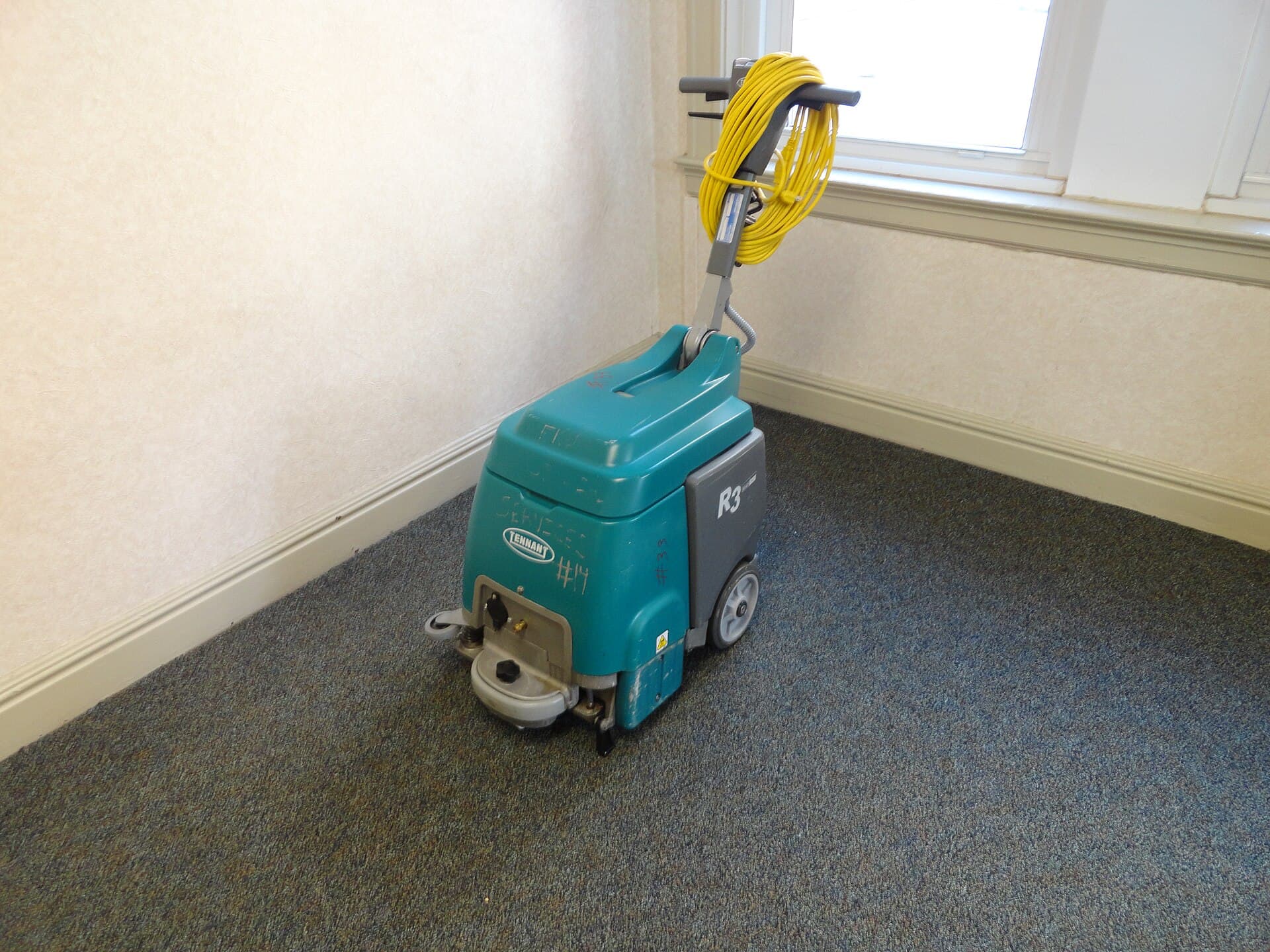
Commercial cleaning does not fail in the tender room. It fails at 5.40pm on a Friday when one cleaner does not answer, the leading hand is already in a lift, and the weekend book still assumes Saturday will look like Thursday. Absenteeism is not a moral campaign. It is a forecastable feature of a night-and-weekend labour market that also happens to be covered by the National Employment Standards and the Cleaning Services Award.
This piece sits with the rest of the operations and workforce writing because cover is a roster problem, an induction problem and sometimes an engagement-structure problem. If your only plan is “someone will step up”, you do not have a plan. You have a hope that the award will not be read and that the client will not walk the toilets on Sunday.
Sick leave is an entitlement, not a roster leak
Under the National Employment Standards, permanent full-time employees get ten days of paid personal/carer’s leave each year. Part-time employees get it pro rata, accruing against their ordinary hours. Unused leave carries forward. It can be used for the employee’s own illness or injury, or to care for an immediate family or household member who is ill, injured or affected by an unexpected emergency. Fair Work’s fact sheet is the document to keep in the office, not a Facebook summary.
Payment for that leave is at the employee’s base rate for the ordinary hours they would have worked — not loaded with the night or weekend penalty they would have earned on the tools. That surprises crews and it surprises some payroll files. It does not make the leave optional.
Casual employees do not get paid personal leave. They do get two days of unpaid carer’s leave per occasion, two days of unpaid compassionate leave per occasion, and ten days of paid family and domestic violence leave a year. They can only be engaged, under clause 11.1 of the Cleaning Services Award, for intermittent or irregular work, uncertain hours, or to replace someone who is rostered off or absent. That last purpose is exactly what a cover pool is for. It is not a licence to run the entire night book as “casual” so that sick nights cost you nothing.
You can ask for evidence that is reasonable in the circumstances — a medical certificate or a statutory declaration is the usual form. You cannot run a house rule that the first day is always unpaid, or that night workers must produce a certificate before you will accept the text. Pattern problems are performance and, if you have one, a process. They are not a reason to underpay the people who are genuinely ill. If you dismiss someone for being sick, get advice. The NES and general protections are not a vibe.
Notice is a separate operational rule. Put it in the contract and the induction: who they contact, by what time, on what number, and what happens if they cannot reach that person. A group chat is a poor record. A logged call or a dedicated absence line is a better one. Late notice still leaves you short. It does not, by itself, turn paid leave into unpaid leave.
Family and domestic violence leave is paid for casuals as well as permanents and is not a topic for the tea room. Keep it confidential, keep it out of the group chat, and do not treat it as “another sickie”.
No-shows are a different event
A no-show is an absence without notice, or a notice so late that the site is already open and empty of a cleaner. It is the event that takes down a multi-site run. Treat it as its own procedure, written down, not as a raised-voice call from a supervisor who is already driving.
First, protect the critical rooms. Toilets, entries, food, clinical and any room the client will walk at 7am get a body before offices get a polish. The communication tree should say which site is critical on which night, not “use your judgement” while the only person with judgement is in a basement.
Second, record the attempt to contact, the time, and who you sent. That record is for the client (“we covered the toilets, the boardroom was delayed”), for payroll, and for any later process with the employee. Do not invent a cover that did not happen. A facilities manager who arrives to a dark foyer will not be soothed by a timesheet that says the job was done.
Third, decide in the morning, not in the heat, whether this was a failure of notice, a failure of the tree, or a failure of the person. One no-show after a year of clean nights is a conversation. A third no-show in a month is a process. A no-show that happens because the roster gave them a broken shift, an unpaid drive and a 6am start after a 1am finish is your fatigue file, and possibly your workers compensation file if they went off the road.
Do not fill a no-show by raiding a site that cannot afford it. That is the cascade. One empty medical suite is a problem. Emptying the hospital satellite to cover the medical suite is two contract failures and a WHS decision you will struggle to defend.
Casual pools only work if they have seen the building
Every contractor says they have a casual pool. Many have a list of phone numbers of people who once worked a day shift in another suburb. A pool that can cover a night or a weekend has to be inducted, site-familiar, and legal.
Induct them as if they might work alone, because one day they will. The 30-day induction can be compressed for a casual who will only ever work as a second person, but it cannot skip WHS, colour-coding, the chemical they will pour, and the access rules. A casual who has not seen the alarm panel is not cover. They are a call-out waiting to happen.
Site familiarisation is a paid shift, not a PDF. Walk them through the critical rooms of the buildings you might send them to. Keep the list short. A pool of eight people who know four buildings is more useful than a pool of thirty who know none. Pay the familiarisation. If you will not, you will pay it in lock-out fees and failed inspections.
Engagement has to match the award. Casuals for cover fit clause 11.1(c) when they replace someone rostered off or absent. They also fit intermittent weekend work if that is genuinely intermittent. They do not fit a silent conversion into unpaid standby. The right to disconnect in the Fair Work Act is relevant here: unless it is unreasonable, an employee may refuse to monitor contact outside hours. A pool that only works because people live on the group chat is a pool you will lose, and a legal argument you may lose with it. If you need guaranteed availability, write and pay an on-call or availability arrangement that can stand up. Do not bully it out of a casual loading.
Keep the employment type honest. If the same “casuals” work every Saturday for a year, you are in regular-and-systematic territory and the NES casual-conversion pathway is not theoretical. If they are actually ABN invoices, read subcontracting versus employing before the next no-show tempts you to add another. A sham contractor cannot be your lawful cover.
Weekend penalty rates are the price of the work you sold
The Cleaning Services Award does not shrug at Saturday. Ordinary hours from midnight Friday to midnight Saturday are 150 per cent of the minimum hourly rate for a full-time employee, 165 per cent for part-time (inclusive of the part-time allowance) and 175 per cent for casuals (inclusive of casual loading). Sunday ordinary hours are 200, 215 and 225 per cent. Public holidays sit higher again. Those weekend percentages replace the weekday shift penalties. A cleaner who works 10pm Saturday to 4am Sunday is on Saturday rates to midnight and Sunday rates after it.
If the contract includes Saturday or Sunday, the price had to include those percentages, the minimum engagements by floor area, and the travel between sites. If it did not, the weekend is not “cover”. It is a donation. Do not recover the mistake by paying weekday rates for weekend hours. That is an underpayment with a calendar attached.
Write a weekend roster with names, not a hope. Clause 13.7 still wants two consecutive full days off in each seven-day cycle. A weekday night cleaner who picks up both weekend days is a fatigue problem even if the timesheet is legal on hours. Safe Work’s fatigue guidance — recovery time between shifts, limits on consecutive nights, notice before night work — does not pause for a shopping-centre Sunday. The quality inspection on Monday morning will show the skip: edges, toilets, the last metre to the shopfront.
Public holidays need their own list. A cleaner who “always does Anzac Day” still has to be asked, paid at the public-holiday rate, and given a roster that does not assume they have no household. If they refuse reasonable hours, that is a Fair Work conversation, not a group-chat shaming.
Multi-site books fail in a line, not in a circle
The cascade is predictable. Site A calls in sick. The supervisor pulls the cleaner from Site B, which is smaller. Site B’s leading hand, now alone, skips the second floor to finish lock-up. Site C, which that leading hand was meant to inspect, goes uninspected. Monday, the client at Site C sends photographs. You have turned one absence into three defects and a supervisor who will not answer the phone next Friday.
Map the book as a set of dependencies before the night starts. Which sites share a person? Which sites share a machine? Which sites share a set of keys that lives in one person’s car? Which sites cannot be left empty — health, food, early childhood, a 24/7 dock? Write a degradation plan for each critical site: if we are one down, we do toilets, entries and food, and we tell the client which periodics we will catch on the next clean. That message, sent at 7pm, is worth more than a silent skip.
Machines cascade too. A ride-on that lives at the shopping centre and is meant to visit the civic hall on Sunday will not do either job if the only person trained on it is sick. Cross-train, or stop selling the machine as if it were a person. Spare walk-behinds and a documented mop fallback are part of cover, just as they are part of a regional service plan.
Travel makes the cascade worse. Paid travel time under clause 17.12, fatigue, and the eight-hour break between shifts all constrain how far you can throw a spare person at 9pm. A cleaner who has already done a full night cannot lawfully or safely “just pop over” to a second suburb without you checking the clock. If the only spare lives forty minutes away, they were never spare for a 10pm no-show.
Communication trees beat heroics
A communication tree is a named sequence, with hours, not a personality. Who receives the absence text? Who decides the degradation? Who calls the casual pool, in what order? Who tells the client, and at what hour is a delay worth a call rather than a morning email? Who holds the second set of keys? Who is not to be called on their days off?
Write it on one page and put it in the cupboard and in the office. The night leading hand should be able to run it without waking the director except for events that need the director: a police attendance, a flood, a missing key to a pharmacy, a person who cannot be reached and was last on a lone-work site. Everything else is an operations decision at their classification. If they are paid as a CSE 1, you have the wrong person on the radio; the award’s Level 2 and Level 3 descriptions exist for this.
The tree has to respect the right to disconnect. People who are off are off, unless you have a paid on-call arrangement or the contact is required by law or is otherwise reasonable in the Act’s sense. Build redundancy into the tree so that the business does not depend on one mobile that is also the school-pickup phone.
Test it. Once a quarter, on a quiet Tuesday, run a desk exercise: Site A is a no-show, Site B’s machine is down, Saturday is a public holiday. If the plan requires the same two people in three places, rewrite it. If the plan requires a casual who has not been on site since last winter, send them for a paid familiarisation before you need them.
Tell clients the truth at the time you sell the work. A five-night office can absorb a single absence with a degradation plan. A 24/7 hospital satellite cannot. Price the second person, or do not take the building. Weekend work needs a weekend crew. Absenteeism on a Sunday is not an unforeseen act of God. It is a labour market. The contractors who last are the ones who employ enough people, induct them, pay the weekend percentages, and treat a sick night as a procedure rather than a betrayal.
When the Monday inspection finds a skip, close it with the crew the way you would any other defect — in the room, with a method, without pretending the absence did not happen. Then look at the tree, the pool and the roster, not only at the person who sent the text. Most “unreliable crews” are unreliable systems. Fix the system first. The award, the NES and Safe Work’s fatigue guidance are already the specification; the rest is whether you meant them. That is the same test this journal applies in the editorial standards.
Questions contractors ask
- Can I refuse paid sick leave if a night cleaner texts after the shift has started?
- Late notice is a roster problem; it is not automatically a reason to withhold NES personal leave. Permanent employees accrue ten days of paid personal/carer’s leave a year (pro rata for part-time). You can require evidence that is reasonable in the circumstances. You cannot invent a house rule that unpaid nights are the default. Check the Fair Work Ombudsman and get advice on a pattern of non-attendance.
- Why not just put the weekday night crew onto Saturday?
- Because Saturday and Sunday ordinary hours take weekend penalty rates under the Cleaning Services Award, not the weekday shift penalties, and because fatigue compounds when Friday night becomes Saturday afternoon. Write a weekend roster with named people and two consecutive days off in each seven-day cycle. A tired weekday crew is how you buy a quality fail and a compensation claim together.
- How big should the casual pool be?
- Large enough that a no-show at a critical site does not empty another critical site, and small enough that those casuals still get a [30-day induction](/journal/thirty-day-cleaner-induction) and a site familiarisation. A list of names who have never seen the alarm panel is not a pool. It is a liability.